Research
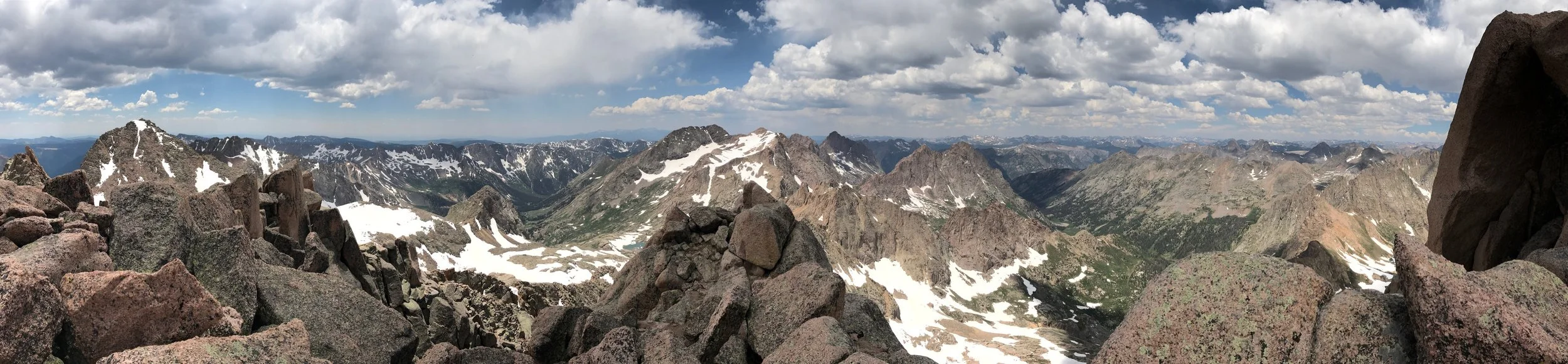
Research at expedition Minds institute
Our work is dedicated to advancing the understanding of mental performance, resilience, and team dynamics in extreme environments.
We focus on isolated, confined, and extreme (ICE) environments, where individuals and teams operate under sustained stress, uncertainty, and demanding environmental conditions. These settings create unique challenges in which cognitive performance, emotional regulation, decision-making, and interpersonal dynamics are continuously tested— often over extended periods of time and in situations where the margin for error is minimal.
At Expedition Minds Institute, we take an applied, field-informed approach to supporting research and performance initiatives in extreme environments. Rather than relying solely on controlled settings, we prioritize real-world environments and lived experiences to better understand how individuals and teams function under pressure. This approach allows us to examine not only how people respond to stress, but how they adapt, recover, and continue to perform over time.
Our work explores both individual and team-level factors that influence performance in ICE environments. At the individual level, we focus on areas such as stress response, acceptance, emotional regulation, peak performance, adaptability, and recovery. At the team level, we examine communication, leadership, cohesion, conflict navigation, and collective decision-making in dynamic and often unpredictable conditions.
A central goal of our work is to help bridge the gap between psychological theory and real-world application. We support the integration of evidence-based psychological frameworks with operational demands to help develop practical, field-ready tools that can be used before, during, and after expeditions. This includes contributing to the development and refinement of structured approaches to mental performance, resilience training, and team functioning in extreme environments.
As a licensed mental health professional and research assistant collaborating with academic researchers and expedition teams, I contribute clinical experience, operational insight, and applied mental performance frameworks to expedition-based research initiatives. My role focuses on supporting research development, field implementation, participant support, and the translation of psychological concepts into practical tools for use in real-world environments.
We are particularly interested in understanding how individuals and teams can not only endure extreme environments, but operate effectively within them— maintaining clarity, adaptability, safety, and cohesion while pushing the limits of human performance.
Through this work, Expedition Minds Institute aims to contribute to the broader scientific understanding of performance in extreme environments while supporting explorers, teams, and organizations operating in some of the most challenging conditions on Earth and in space exploration.
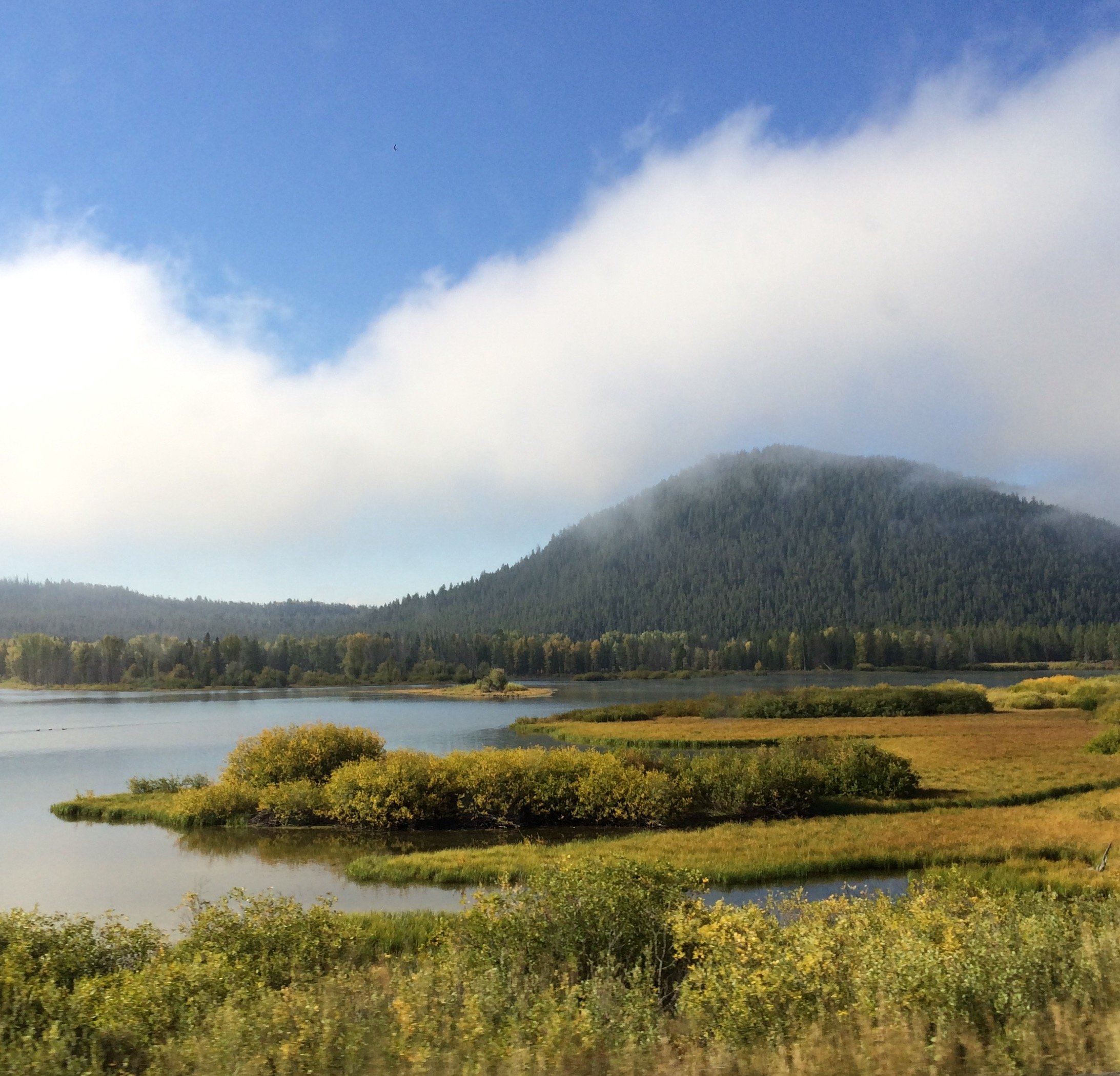
Research Projects
Northwest Passage project, 2026-2027
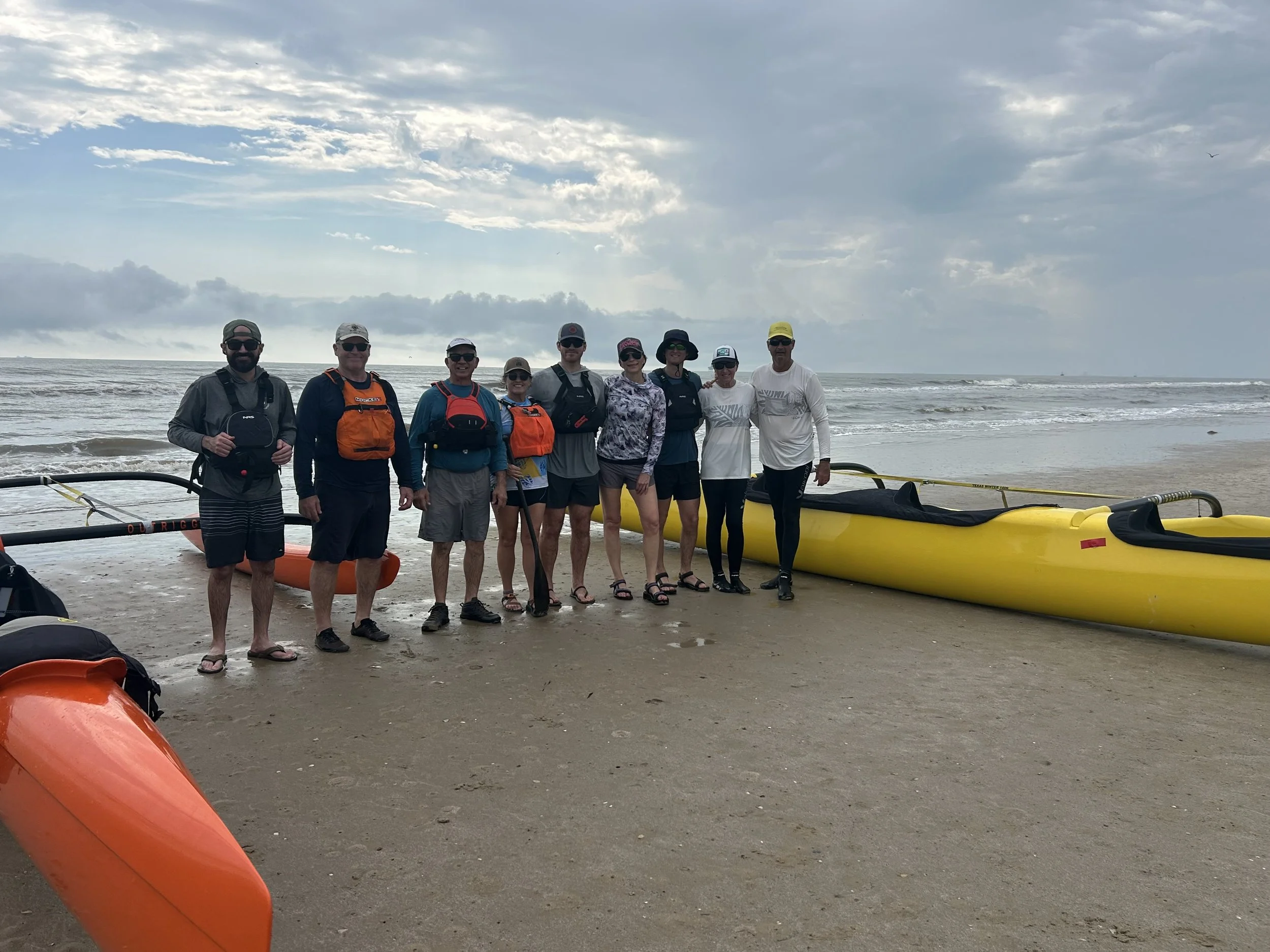
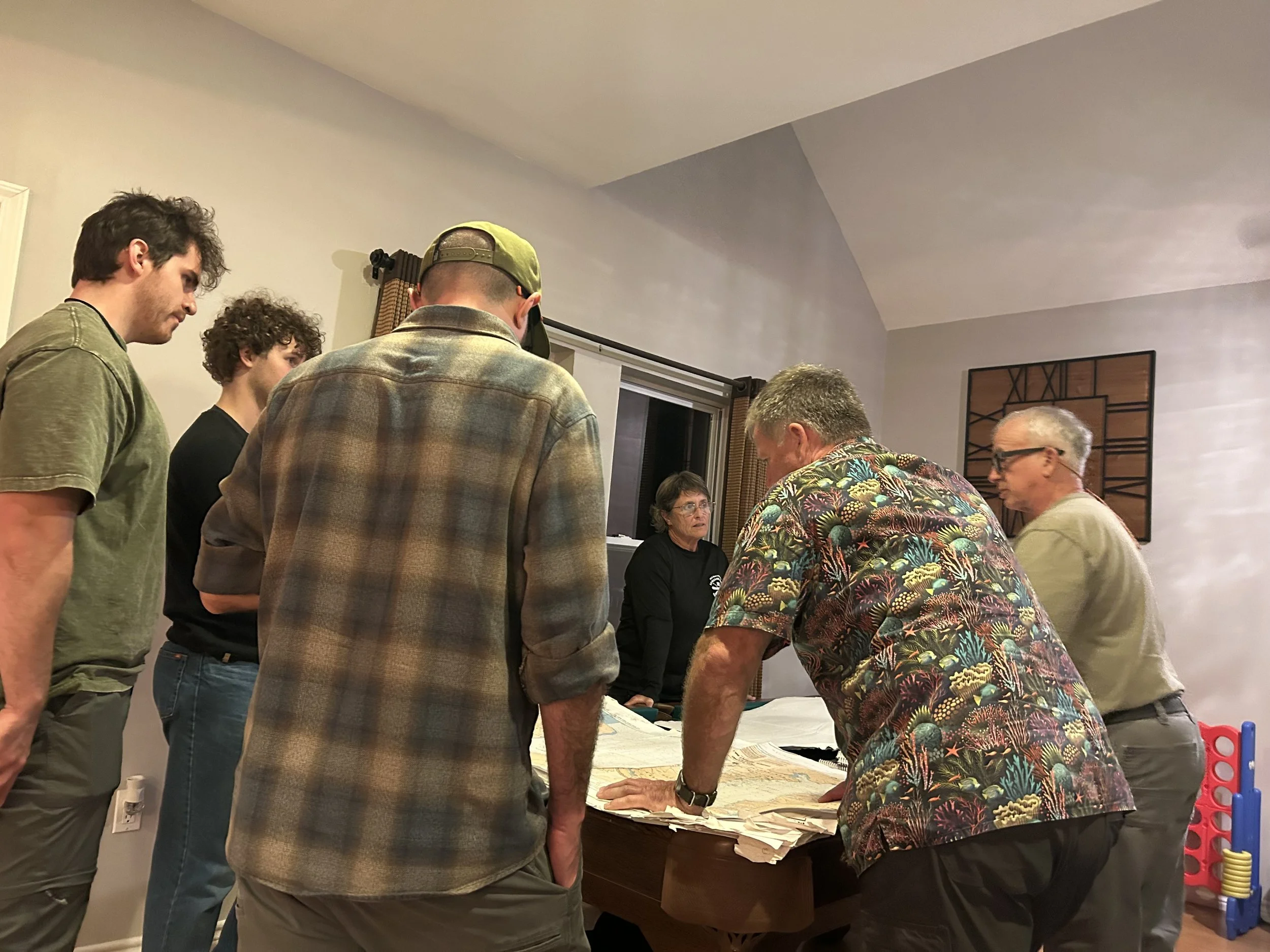
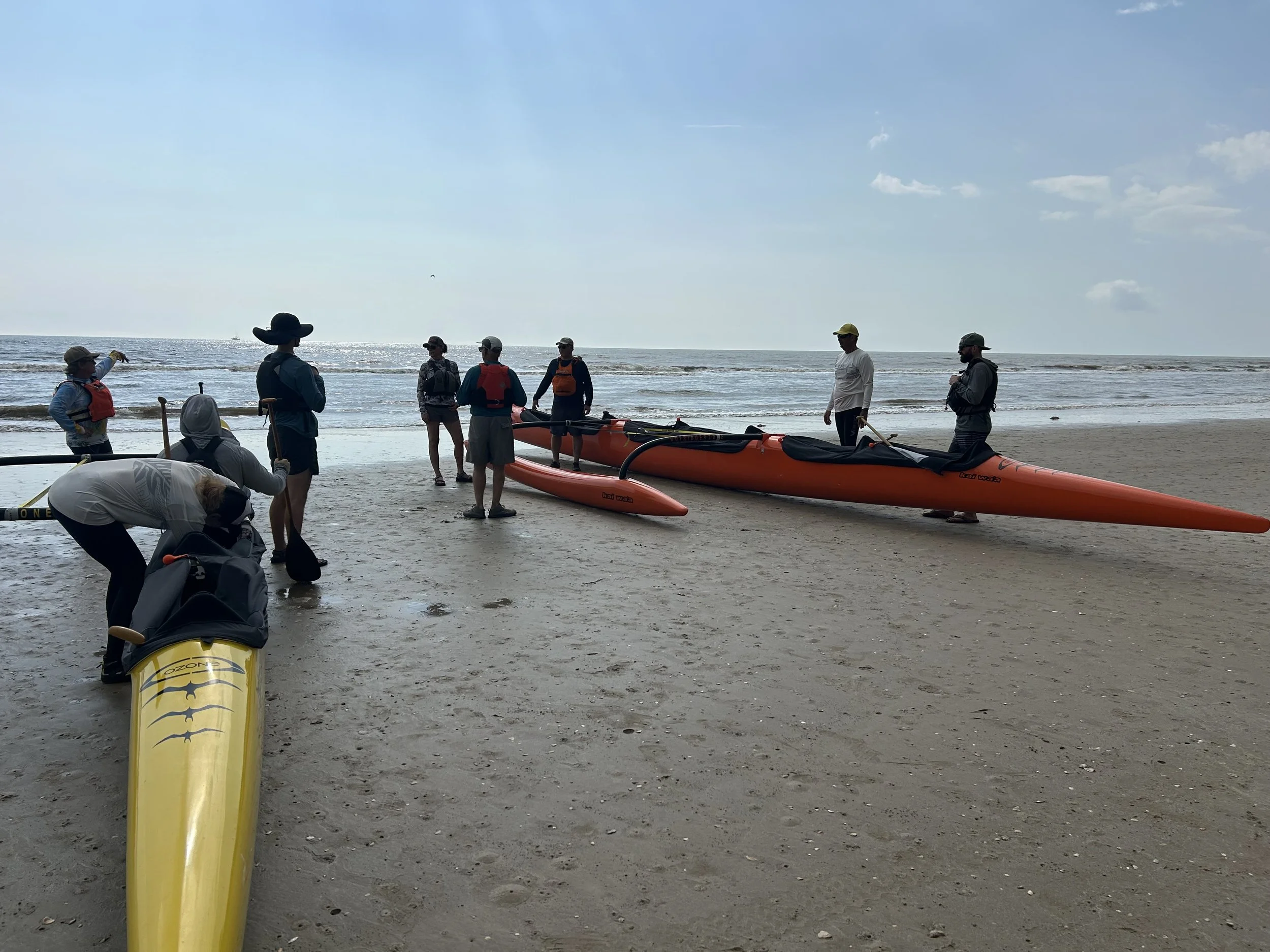
In the spring and summer of 2027, I’ll be joining a team paddling outrigger canoes through the Arctic’s Northwest Passage. I feel incredibly grateful for the opportunity to be part of this expedition and to work alongside a group of people who are willing to step into the unknown and push their limits together.
In addition to being a team member, I’ll be supporting the mental performance and well-being of the group. This expedition also serves as a unique research opportunity to better understand what helps individuals and teams build resilience, adapt to uncertainty, and maintain strong mental health in isolated, confined, and extreme (ICE) environments. Andres Käosaar is the primary investigator (PI) for this project, and he brings deep expertise in team dynamics within extreme environments.
What makes this project especially meaningful to me is that I’ll be fully integrated into the experience. I won’t just be observing or teaching from the outside— I’ll be part of the team, using the same tools alongside my teammates as we navigate the physical and psychological demands of the expedition together.
At the center of this work is a Mental Health Toolbox for Expeditions, which is delivered through a series of practical, field-ready modules:
Module 1: Team Functioning in Extreme Environments
This module focuses on how teams operate under pressure. We cover communication, maintaining cohesion, navigating conflict, and developing leadership skills that are flexible and responsive to changing conditions.Module 2: Understanding and Managing the Stress Response
This module provides psychoeducation on how the brain and body respond to stress. Team members learn practical strategies for working through stress in real time, building acceptance, increasing adaptability, and maintaining peak performance in demanding environments.Module 3: Applied Tools for Adaptability and Performance
This module introduces a range of evidence-based approaches, including a specially designed EMDR-informed technique focused on rapid adaptability and enhancing performance. These tools are designed to be simple, practical, and usable in the field when it matters most.
These modules are taught before the expedition and reinforced throughout the journey, giving team members a shared framework and language for how to support themselves and each other over time.
The research focuses on identifying which tools and strategies are most effective in supporting both individual and team functioning across all phases of the expedition—before departure, during the journey, and after returning. The goal is to understand what actually works in real-world conditions and to continue refining these tools so they can be used by other teams operating in extreme environments.
I’m especially grateful to be part of this project because it brings together so many things that matter to me— exploration, curiosity, teamwork, and understanding how people can perform well and stay connected in challenging conditions. My hope is that this work not only supports our team, but also contributes to a broader understanding of how individuals and teams can operate effectively while maintaining positive mental health in some of the most demanding environments on earth.
Ultimately, this project is about helping people build the skills and confidence to face the unknown—so that when challenges arise, they’re not just enduring them, but working through them together in a way that allows both individuals and teams to grow.